

By: Sarah Prasad
7th November, 2020
Lazy song – Bruno Mars
Most of us define the term “Procrastination” as being lazy. In fact when we procrastinate we work for prolonged hours just before our deadlines. Working long and hard is the opposite of being lethargic, so that can’t be the reason we do it. So, why do we procrastinate and, more importantly, what can we do about it?
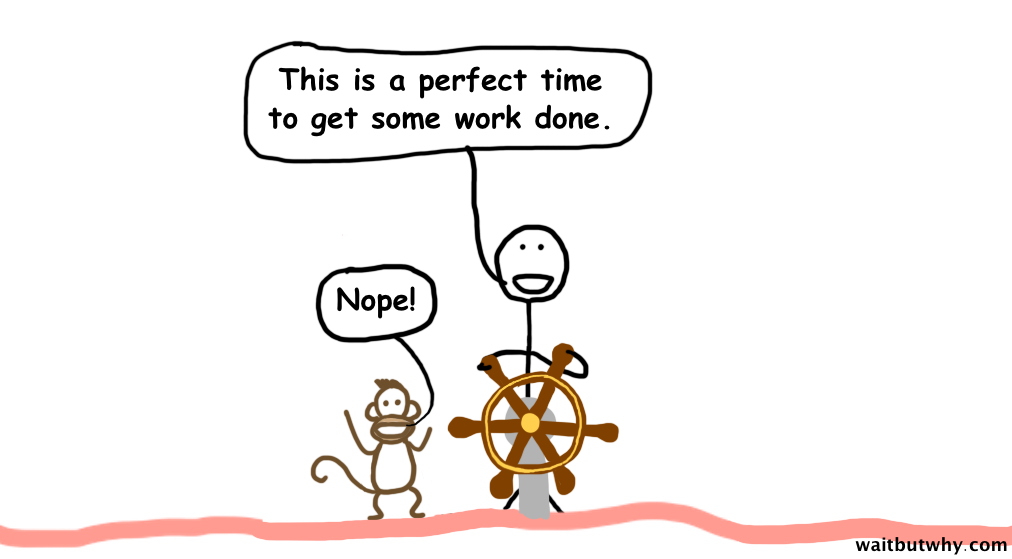
As said above some of us become lazy and push our workload to the last minute. Others claim that they “do better” when they procrastinate and “work best” under pressure. The negative consequences of procrastinating such as feelings of anxiety and stress, fatigue, disappointment from falling below their own standards and having to put their life on hold for chunks of time. Not to mention, leaving things to the end dramatically increases the chances something will go wrong – like getting sick or a computer problem – and you not being able to pull off the desired grade. So, procrastination can be hard on us and actually increase our chances of failing, but we do it anyway.
Let me tell you that procrastination is not the result of having poor time management skills but rather we delay doing tasks because we are rooted in fear about doing poorly, of losing control, of looking stupid, of having one’s sense of self or self-concept challenged. We purposely keep waiting for time to pass so that are abilities are not judged.
But there are a few steps we can take to fight our way through procrastination:
1. Awareness
It is very important to know the reasons why you procrastinate and the function procrastination serves in your life. You can’t come up with an effective solution if you don’t really understand the root of the problem. As with most problems, awareness and self-knowledge are the keys to figuring out how to stop procrastinating. Two famous psychologists that studied the mind game of procrastinators came to the conclusion that figuring out the true reasons for procrastinating makes it easier to stop. So stop for a moment and take a few minutes to understand your root cause of procrastinating your tasks.
2. motivation
To overcome procrastination it’s critical that you stay motivated for PRODUCTIVE REASONS. By productive reasons I mean reasons for learning and achieving that lead to positive, productive, satisfying feelings and actions A good way to put positive motives in motion is to set and focus on your goals. Identify and write down your own personal reasons for enrolling in a course and monitor your progress toward your goals using a goal-setting chart. Remember to focus on your reasons and your goals. Other people’s goals for you are not goals at all, but obligations.
3. SWIss cheese it

Breaking down tasks into little ones is a good approach. A variation on this is devoting short chunks of time to a big task and doing as much as you can in that time with few expectations about what you will get done. For example, try spending about ten minutes just jotting down ideas that come to mind on the topic of a paper, or skimming over a long reading to get just the main ideas. After doing this several times on a big task, you will have made some progress on it, you’ll have some momentum you’ll have less work to do to complete the task, and it won’t seem so huge because you’ve punched holes in it (like Swiss cheese). In short, it’ll be easier to complete the task because you’ve gotten started and removed some of the obstacles to finishing.
Stay Safe – Sarah 🙂
subscribe to our blog
Get new content delivered directly to your inbox.
 Ebullience